


How to Maintain Your Car in the Desert
Learning how to maintain your car in the desert comes down to four systems: the battery, air filters, engine, and coolant, each needing closer attention in high heat and dust.
Cochise County summers bring bright afternoons, blowing dust, and sudden monsoon storms over the Huachuca Mountains. At Ed Morse Hyundai Sierra Vista, the service team helps you stay ahead of desert wear with routine checks for every Hyundai across Sierra Vista, Hereford, Huachuca City, and Tombstone, Arizona.
A few simple habits keep your Hyundai running strong all year in the high desert.
How to Protect Your Car Battery from Desert Heat
Heat speeds up the chemical reactions inside your battery and shortens its life, so desert batteries need closer attention than batteries in cooler regions.
- Why does my car battery die faster in the desert?
Desert heat speeds up corrosion on the battery's internal plates and evaporates the electrolyte it needs to hold a charge. Under-hood temperatures climb well above the air temperature on a summer afternoon, which accelerates that wear.
- What are the warning signs that heat is affecting my battery?
Watch for a slow or labored engine crank, dim headlights at idle, a battery warning light, a swollen case, white or blue corrosion on the terminals, or a sulfur smell under the hood.
- What type of battery is best for extreme heat climates?
An absorbed glass mat (AGM) battery tends to perform better in high heat than other sealed batteries. Always choose the size and specifications your Hyundai requires.*
- How can I extend my car battery's life in Arizona summers?
Park in a garage or shaded spot during summer afternoons, keep the terminals clean, and confirm the hold-down clamp is secure. Longer drives, like a trip up Highway 90 toward Benson, recharge your battery more fully than short errands.
A quick battery test during your next service visit shows exactly where your battery stands.
Learn to Keep Your Air Filters Clean in Dusty Conditions
Desert dust clogs filters quickly, so plan on checking both your engine and cabin air filters more often than a standard schedule suggests.
- How often should I change my engine air filter in dusty desert conditions?
Inspect your engine air filter at every oil service and replace it once it looks dirty. Your Hyundai owner's manual lists a severe-driving schedule for dusty areas, which fits gravel roads near Hereford and dirt trailheads in the San Pedro Riparian National Conservation Area.
- Why do cabin air filters need to be replaced more frequently in the desert?
Desert dust combined with nearly nonstop air conditioning loads your cabin air filter quickly. The filter traps dust, pollen, and fine particles before they reach the vents, so replacing it once a year or after a heavy dust storm keeps the air inside fresh.
Clean filters help your engine breathe and keep your cabin comfortable through every dusty stretch of summer.
Prevent Engine Overheating on Summer Drives
High temperatures, steady air conditioning use, and long grades push your cooling system harder, so watch your temperature gauge and stay current on routine checks.
- What causes cooling system stress in hot weather, and how do I spot it?
Triple-digit pavement, stop-and-go traffic on Fry Boulevard, towing, and long climbs all raise engine temperatures. Look for a temperature gauge climbing past the middle, steam from under the hood, a sweet smell, bright green or pink puddles under your vehicle, or air conditioning that blows warm at idle.
- How can I prevent my engine from overheating during summer driving?
Check your coolant level with the engine cool, inspect hoses and belts for cracks, and keep the radiator fins clear of dust and bugs. If the gauge climbs, turn off the air conditioning, switch the heater to high to pull heat from the engine, and pull over safely.
- Is it worth upgrading my coolant or radiator for desert conditions?
For most daily driving, the factory system with Hyundai Long Life Coolant handles desert heat well, and mixing coolant types can lead to gelling and corrosion. If you regularly tow a camper or boat to Parker Canyon Lake, ask the service team about towing-focused cooling options, and follow the coolant replacement intervals in your owner's manual.
How often should I have my battery tested if I live in a hot climate?
Test your battery twice a year, once before summer and once in the fall. Heat damage builds quietly, and a load test identifies weak cells before you notice slow starts.
What happens if I don't change my air filters on time?
A clogged engine air filter restricts airflow, which can reduce acceleration and fuel efficiency. A dirty cabin air filter weakens air conditioning airflow and lets more dust inside your vehicle.
What's the difference between an engine air filter and a cabin air filter?
The engine air filter cleans the air your engine uses for combustion. The cabin air filter cleans the air flowing through your vents, keeping dust and pollen out of the cabin.
Keep Your Hyundai Desert-Ready near Sierra Vista AZ
Knowing how to maintain your car in the desert keeps your Hyundai ready for every Cochise County season, from regular battery tests to clean air filters and a healthy cooling system. The service team at Ed Morse Hyundai Sierra Vista welcomes you from Sierra Vista, Hereford, Huachuca City, and Tombstone. Schedule your next service visit and enjoy confident drives all summer long!
*Source: Consumer Reports
Ed Morse Hyundai
Address
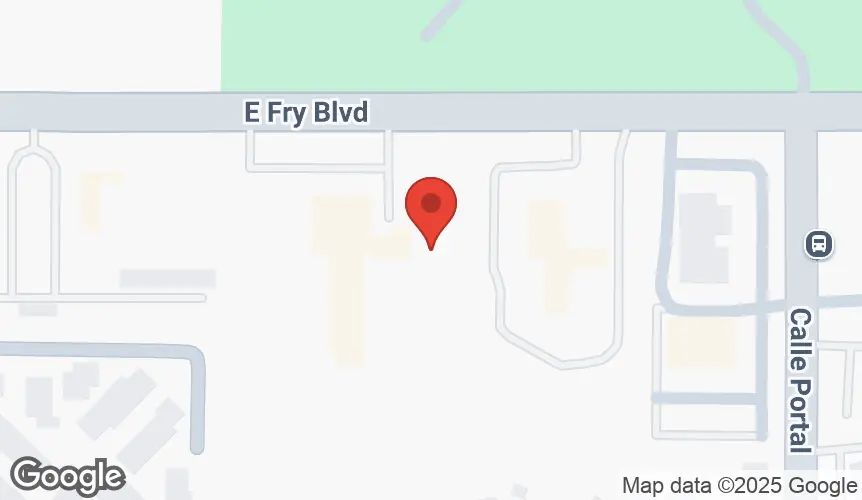
2800 E Fry Blvd
Sierra Vista, AZ 85635
Phone
| Monday | 8:00AM - 6:00PM |
| Tuesday | 8:00AM - 6:00PM |
| Wednesday | 8:00AM - 6:00PM |
| Thursday | 8:00AM - 6:00PM |
| Friday | 8:00AM - 6:00PM |
| Saturday | 8:00AM - 6:00PM |
| Sunday | Closed |
| Monday | 7:00AM - 6:00PM |
| Tuesday | 7:00AM - 6:00PM |
| Wednesday | 7:00AM - 6:00PM |
| Thursday | 7:00AM - 6:00PM |
| Friday | 7:00AM - 6:00PM |
| Saturday | Closed |
| Sunday | Closed |
| Monday | 7:00AM - 6:00PM |
| Tuesday | 7:00AM - 6:00PM |
| Wednesday | 7:00AM - 6:00PM |
| Thursday | 7:00AM - 6:00PM |
| Friday | 7:00AM - 6:00PM |
| Saturday | Closed |
| Sunday | Closed |